
Introduction
Walk onto a shop floor where tools aren't labeled, inventory has no home, and nobody can tell if a machine is running behind schedule. Workers spend their shifts searching, asking, and guessing. That guesswork costs real money: operators can lose hours each week hunting for tools and materials, and it hides safety risks until something goes wrong.
A visual factory solves this by making status, standards, and abnormalities visible without a single conversation. 5S provides the discipline that makes those visuals meaningful instead of decorative.
This guide covers how the five S's build a visual workplace, what effective visual controls look like on the floor, a practical implementation path, where programs stall, and how to sustain the system after the tape and labels go up.
Key Takeaways
- 5S (Sort, Set in Order, Shine, Standardize, Sustain) makes waste and disorder easy to spot and fix.
- A visual factory uses signs, markings, labels, and boards so standards and abnormalities are obvious at a glance.
- Sustaining 5S requires daily leadership involvement, not employee compliance alone.
- Visual controls should simplify decisions; clutter defeats the purpose.
What Is a Visual Factory and How Does It Relate to 5S?
A visual factory is a workplace where anyone (including someone unfamiliar with the process) can answer four questions just by looking:
- Where does this belong?
- What's the current status?
- Is this normal or abnormal?
- What action, if any, is required?
No tribal knowledge. No tracking down a supervisor. The answer is already on the floor, the rack, or the board.
5S vs. Visual Management: Two Different Jobs
These terms get used interchangeably, but they do different work:
- 5S establishes order and discipline — it decides what belongs, where it goes, and how it's maintained.
- Visual management communicates that order — it's the labels, colors, and boards that make the standard visible and flag when reality doesn't match it.
Think of 5S as writing the rule and visual management as posting the sign that enforces it. The Lean Enterprise Institute puts it plainly: visual management should reveal purpose, priority, and warnings. Posting more information isn't the same as communicating it clearly.
Spotting Abnormal Conditions Fast
In a well-designed visual factory, deviations jump out immediately:
- An empty shadow board slot means a tool is missing.
- Tape on the floor with something sitting outside it means a walkway is blocked.
- A red tag on a bin means the location doesn't match the label.
- A blank cell on a production board means a task is overdue.
That speed matters. Lean's core goals (waste reduction, flow, safety, and quality at the source) all depend on catching problems while they're still small.
Designed Around the Work, Not Around Aesthetics
The best visual systems come from watching actual work, not from a generic template. That means direct observation on the floor, process mapping, and input from the people doing the job , not a consultant's checklist applied without that context.
Visual factories aren't limited to manufacturing. The same approach shows up across industries:
- Hospitals: supply carts and equipment status
- Food processors: allergen zones and changeover schedules
- Construction sites: staging areas and safety zones
- Public-sector offices: case status and workflow queues
Anywhere work, resources, or standards need to be understood quickly, visual management applies.
How the Five S Principles Create a Visual Workplace
The five S's (Sort, Set in Order, Shine, Standardize, and Sustain) come from the Japanese terms Seiri, Seiton, Seiso, Seiketsu, and Shitsuke. Each step builds the physical and behavioral foundation that visual controls later communicate.

Sort: Remove What Doesn't Belong
Teams separate needed items from everything else — excess inventory, broken tools, outdated documents, obsolete equipment.
- Use red-tagging to flag questionable items rather than removing them outright.
- Set up a controlled holding area so teams confirm ownership and disposition before anything is discarded.
- Don't remove items before this confirmation step; premature disposal creates disputes and lost materials.
Set in Order: Give Everything a Logical Home
Once only necessary items remain, they need a fixed, sensible location.
- Base placement on workflow sequence, ergonomics, safety, and point-of-use access.
- Mark locations with labels, floor outlines, and storage limits (maximum/minimum quantities).
- Frequently used items go closest to the point of use — not in a supply room three aisles away.
Shine: Cleaning Is Inspection
Shine isn't janitorial work. It's structured inspection that catches problems before they cause downtime or injury:
- Leaks, wear, loose bolts, and contamination
- Blocked access panels and other hidden hazards
- Cleaning tied to equipment care and standard work, with clear ownership
Standardize: Document What "Good" Looks Like
This step locks in the first three S's so they don't drift.
- Photographs and checklists show the expected condition.
- Color and labeling conventions stay consistent across shifts and, for multi-site operations, across facilities.
- Assign a named owner accountable for each area's standard.
Sustain: A Management Practice, Not Employee Policing
Sustain fails when leaders treat it as "make sure employees follow the rules." It succeeds when leadership builds routine audits, coaching, and rapid correction into daily management. That means ongoing ownership, not a monthly inspection.
Some organizations add a sixth S, Safety, as a standalone pillar. Others fold safety considerations into every stage above. Either approach works, as long as safety doesn't become an afterthought.
Visual Controls and 5S Examples for a Factory
Visual Controls and 5S Examples Across Workplaces
5S sets the standard. Visual controls make it visible. Here's what that looks like in practice.
Floor Markings and Color Coding
Marked walkways, forklift routes, work cells, and keep-clear zones remove ambiguity about where people and equipment should — and shouldn't — be.
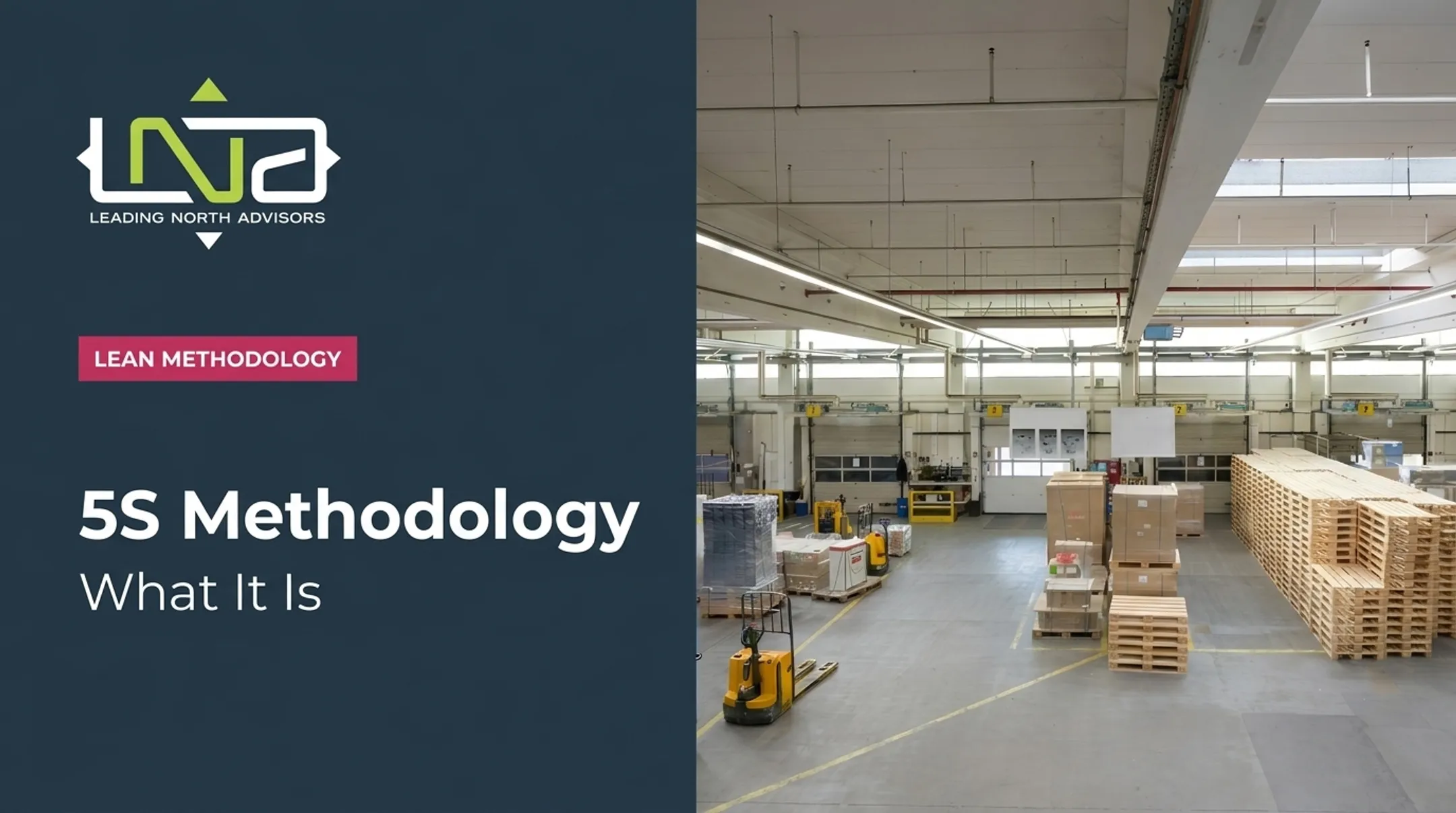
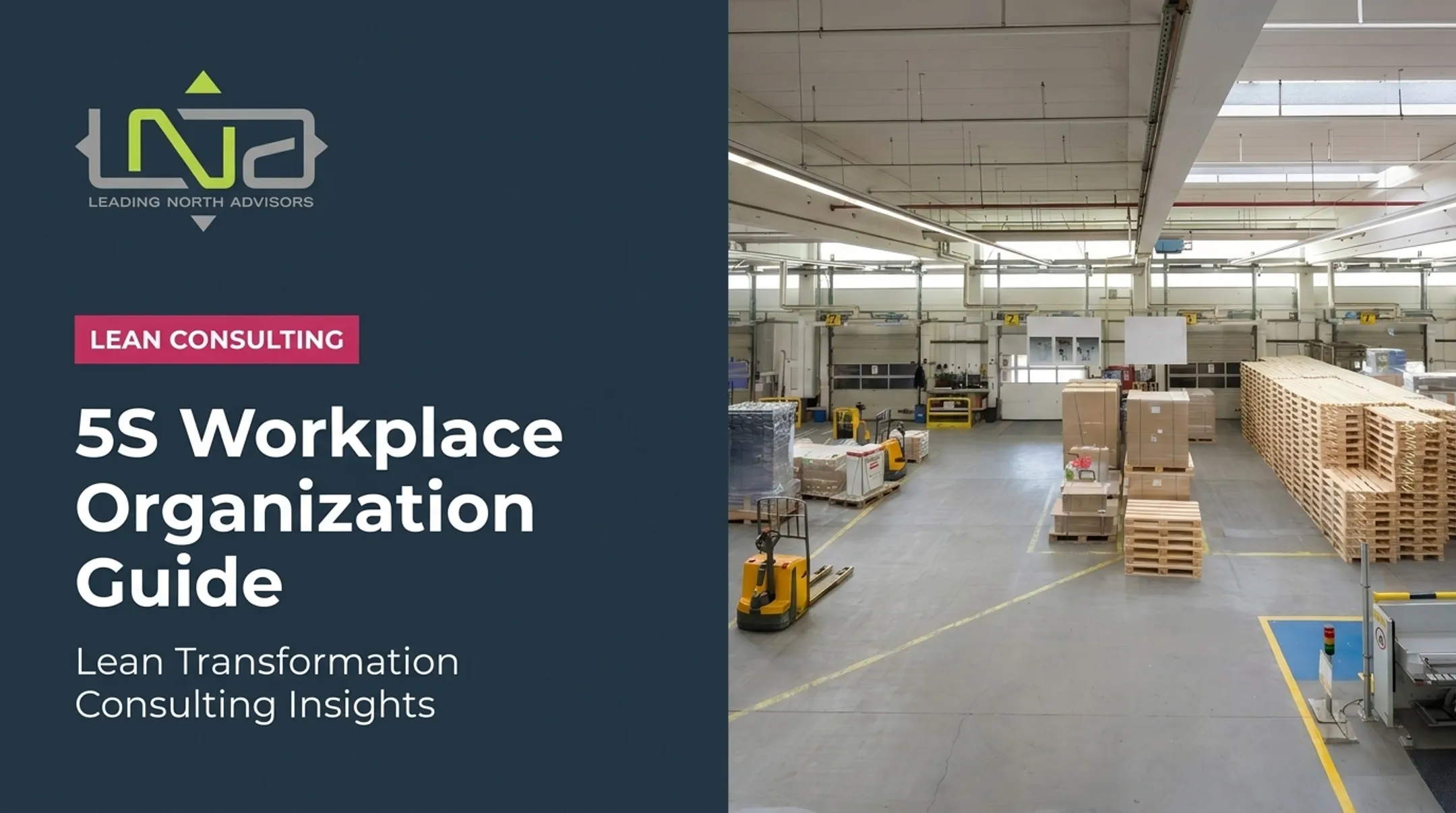
Verify color choices against site policy and applicable standards before rolling them out facility-wide. OSHA's hazard color code specifies red for fire protection equipment, danger, and emergency stops, and yellow for caution and physical hazards like tripping or pinch points. A yellow-lane floor layout is a common visual anchor for organized shop floors — clean, consistent boundaries that make deviations obvious immediately.
Tool Organization
Shadow boards, foam drawer inserts, and outlined tool storage show exactly where an item belongs. An empty outline is a missing-tool alert nobody has to announce.
Labels and Location Identification
- Rack and bin labels
- Aisle signage
- Equipment ID tags
- Maximum/minimum inventory markers
- Point-of-use storage labels
Each one removes a small decision point — and small decision points add up to hours of searching over a week.
Process and Status Boards
Production boards, SQCDP displays, Kanban boards, Andon signals, and digital dashboards communicate current status and required action without a verbal update. A well-designed board answers three questions instantly:
- Where performance meets standard
- Where it doesn't
- What's being done about the gap
Standard Work Visuals
Photographs, sequence markers, and job aids placed at the point of use only work if they're accurate. Visuals should be:
- Readable from a normal working distance
- Current with the actual process
- Validated by the people who perform the task — not just approved by a manager
Examples Across Environments
| Setting | Visual Control Example |
|---|---|
| Manufacturing cell | Shadow-boarded tools, labeled bins, andon light for line stops |
| Hospital supply area | Color-coded supply carts, par-level labels, expiration flags |
| Food-processing line | Allergen zone markings, changeover checklists at point of use |
| Construction staging area | Marked material zones, equipment staging outlines, safety signage |
| Public-sector service office | Queue status boards, case-flow labels, escalation indicators |
The same 5S logic scales across these settings: make the standard visible, and abnormal conditions stand out on their own.
How to Implement a Visual Factory with 5S
Rolling out tape and labels across an entire facility without a plan almost always backfires. A phased approach works better.
- Align leadership first. Define the operational problem you're solving, connect it to safety, quality, delivery, cost, or people priorities, and assign an accountable leader. Pick one pilot area rather than the whole plant.
- Assess the current state at the Gemba. Observe actual movement, material flow, searching, handoffs, and hazards across shifts. Collect a baseline before changing anything.
- Involve frontline employees in the design. Ask what slows them down, where standards are unclear, and what visual signal would actually help.
- Apply the five S's to the pilot area. Document before-and-after conditions with photos, area maps, and named owners.
- Build the visual control system. Choose a limited color palette, define symbols and labeling rules, and give every visual a specific purpose and expected response, not decoration.
- Train and communicate. Explain the reason for the change at the point of work, coach supervisors directly, and give employees a way to flag confusing or ineffective controls.
Introducing changes incrementally, starting with high-impact areas, minimizes disruption and builds buy-in faster than a facility-wide rollout.
This is the model Leading North Advisors applies with clients: assess the operation, involve the teams doing the work, tailor the approach to the industry, and connect changes to measurable business outcomes rather than a one-time cleanup.
With more than 30 years of cross-industry experience in manufacturing, healthcare, food and beverage, construction, and the public sector, the emphasis stays on building ownership inside the organization, not a system that depends on outside consultants to function.
Benefits, Challenges, and Measures of Success
What You Gain
- Less time searching for tools, materials, or information
- Faster identification of abnormal conditions before they escalate
- Clearer material flow and fewer handoff errors
- Stronger cross-shift consistency and easier onboarding
- A better foundation for continuous improvement work
A 2016 pilot in highway construction and maintenance warehousing showed what this looks like in practice. After sorting items and adding visual labels for location and replenishment level, the team saw item-transaction time drop by 50% and usable floor area increase by 30%.

That UK case is not a universal guarantee, but it shows the mechanism working.
Where 5S Efforts Go Wrong
- Treating it as a one-time cleanup instead of an ongoing management system
- Imposing standards without asking the people who do the work
- Using too many colors, signs, or symbols until nothing stands out
- Letting outdated visuals sit unchanged after a process changes
- Measuring how clean the area looks instead of how it performs
What to Measure
Skip vague claims. Track things that show whether the system is actually working:
- Safety observations and near-miss reports
- Search and retrieval time
- Audit findings and closure rates
- Inventory accuracy
- Response time to flagged abnormalities
- Employee participation in audits and suggestions
How 5S Fits With Other Lean Methods
5S doesn't replace these tools. It supports them:
| Method | Primary Purpose |
|---|---|
| 5S | Organize and stabilize the physical workplace |
| Standardized Work | Define and display the current best method |
| Kaizen | Drive incremental improvement through structured problem solving |
| Six Sigma | Reduce process variation causing defects |
| TPM | Improve equipment reliability and life-cycle performance |
| Kanban | Signal production or replenishment in a pull system |
How to Sustain and Scale a 5S Visual Workplace
Most 5S programs don't fail at launch. They fail six months later, when nobody is checking anymore.
Layered Checks With Real Ownership
Set up audits at different levels: operators checking their own area daily, supervisors reviewing weekly, leaders reviewing periodically. Each finding needs a named owner and a confirmed closure, not just a checkbox.
Change Control for Visual Standards
New equipment, layout changes, product introductions, or safety findings should automatically trigger a review of related markings, labels, and instructions. Without this trigger, visuals quietly go stale.
Keep the System Current
- Remove signs that no longer apply
- Replace damaged or faded markings promptly
- Re-check symbols that employees interpret inconsistently
Let Feedback Drive Improvement
Employee suggestions and Kaizen routines often surface issues leadership never sees. That might be an inefficient bin location, an unsafe traffic pattern, or a gap between the documented standard and what actually happens on the floor.
Scaling Across Multiple Sites
For multi-site organizations, standardize the core visual language (colors, symbols, audit questions) while allowing controlled local adaptation for equipment differences, regulations, or customer requirements.
Sustainment Checklist
- Named owners for each area
- Clearly defined, documented standards
- Set audit cadence at each organizational level
- Corrective-action tracking through to closure
- Periodic training refreshers
- Leadership review built into routine management
- Reassessment of business impact, not just appearance
Organizations running structured 5S programs typically see measurable gains in organization, productivity, and search time within 30 to 60 days. That timeline holds only when sustainment is built in from day one, not added after the fact.
Conclusion
A visual factory is a workplace where standards, status, and abnormalities stay visible enough that anyone can act on them without asking around. Floor tape and a few labels after a weekend cleanup do not get you there.
5S builds that foundation. Visual controls make it usable every shift. Start with one area that matters, bring in the people who work there, measure what changes operationally, and only scale once the standard holds on its own.
If your organization is ready for a Lean transformation that goes beyond a one-time cleanup and changes how work gets done, talk to Leading North Advisors about an approach built around your operation, not a generic template.
Frequently Asked Questions
What is 5S in a factory?
5S is a workplace organization method built on Sort, Set in Order, Shine, Standardize, and Sustain. It removes clutter, gives items a fixed location, and builds routines that expose abnormalities before they cause bigger problems.
What are some 5S examples?
Common examples include:
- Red-tagging unneeded items
- Shadow boards for tools
- Labeled storage bins and marked floor lanes
- Cleaning-and-inspection routines
- Standard work visuals at the point of use, reinforced by routine audits
What is a visual factory?
A visual factory is a workplace that uses signs, labels, markings, boards, and displays so employees can understand standards, status, and abnormalities without asking anyone for an explanation.
How do 5S and visual management work together?
5S creates and maintains workplace order: deciding what belongs where and how it's cared for. Visual management communicates that order, making deviations from the standard obvious so teams can respond quickly.
How do you sustain a 5S workplace?
Sustainment depends on named ownership, routine layered audits, current visual standards, and follow-through on corrective actions. Leadership involvement matters as much as employee habits. 5S fades fast without both.